
The energy transition must be just, equitable, and consistent with the reality of the country: Great ACP Forum
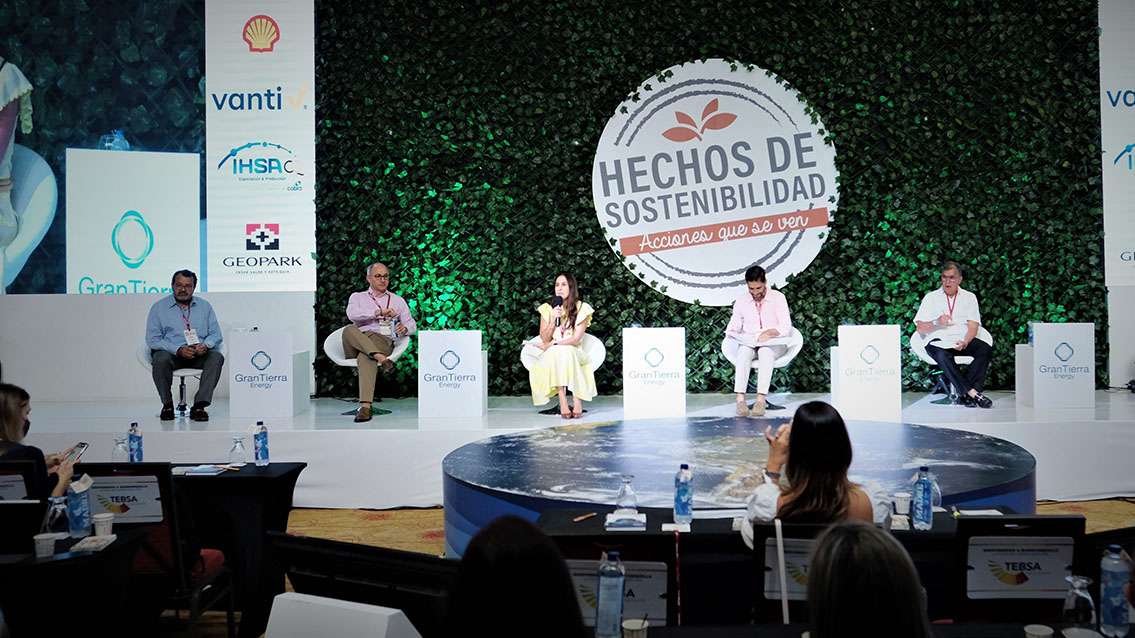
A coherent energy transition that meets the needs of the regions of Colombia, which contributes to closing gaps, and does not jeopardize energy self-sufficiency, while reducing the impact of greenhouse gas emissions and managing climate change, was the focus of the agenda on the second day of the Great Forum: Sustainability Facts, organized by the Colombian Association of Oil and Gas (ACP).
- Industry experts highlighted Colombia's potential in gas and its contributions to overcoming energy poverty, quality of life, and its support for the transition.
- Regarding the social dimension of sustainability, it was concluded that Colombia requires policies that favor an energy transition that continues to generate decent jobs and strengthens the regions.
- The leadership of the sector in the implementation and promotion of the circular economy was emphasized as one of the best vehicles to achieve the goals in the SDGs.
The day began with an analysis of the current state of natural gas in the world and its impact on Colombia, during which the importance of this energy source for sustainable development was reiterated. “To bring quality of life to Colombians and increase the country's competitiveness, we must generate greater production of natural gas. It is key to reducing societal problems,” said Rodolfo Anaya, president of Vanti.
For his part, Tomás González, director of the Regional Center for Energy Studies (CREE), referred to the importance of this hydrocarbon in social, environmental, and economic terms; and noted that, «by 2050 we will still depend on gas, and this is where the importance of Unconventional Reservoirs comes into play, which would not only generate energy resources but also provide royalties and income for the development of the regions.».
With the presentation of Ecopetrol's SosTECnibilidad strategy, its president Felipe Bayón demonstrated the focus that the oil and gas industry has on making its processes more sustainable, leveraging technology. He highlighted the goals they have adopted to achieve carbon neutrality; and to advance in efficiency and low-emission businesses.
The emphasis on the social dimension of sustainability led to the conclusion that Colombia requires policies that favor an energy transition that is consistent with the need to continue generating decent jobs and strengthening territorial relationships. In this context, Jefferson Mena Sánchez, presidential advisor for Human Rights and International Affairs, emphasized “the importance of responsible business conduct, within the framework of social dialogue, for generating shared wealth both in the communities where the industry operates and for the companies.”.
The meeting also focused on analyzing the management of diversity, gender equity, and inclusion in the sector's operations, as well as the advances and challenges in ensuring safe spaces where all talents can grow for the benefit of a sustainable society.
And finally, the Great ACP Forum: Sustainability Facts, delved into the management, implementation, and promotion of circular business models, a process in which this sector is a leader, for example, the efficient use of resources, water recirculation, and the proper treatment and disposal of all solid waste. Today the industry achieves 51.81% recycling of ordinary waste.
At the closing of the event, Francisco José Lloreda Mera, president of the Colombian Association of Oil and Gas (ACP), concluded that the oil and gas industry, in addition to providing energy security to Colombia, also contributes to the achievement of the Sustainable Development Goals, with comprehensive actions from companies that have the knowledge, determination, and passion to contribute to a sustainable future.”.
 Colombian Association of Oil and Gas