
ORINOQUÍA: A NATURAL TREASURE THAT NOURISHES COLOMBIA
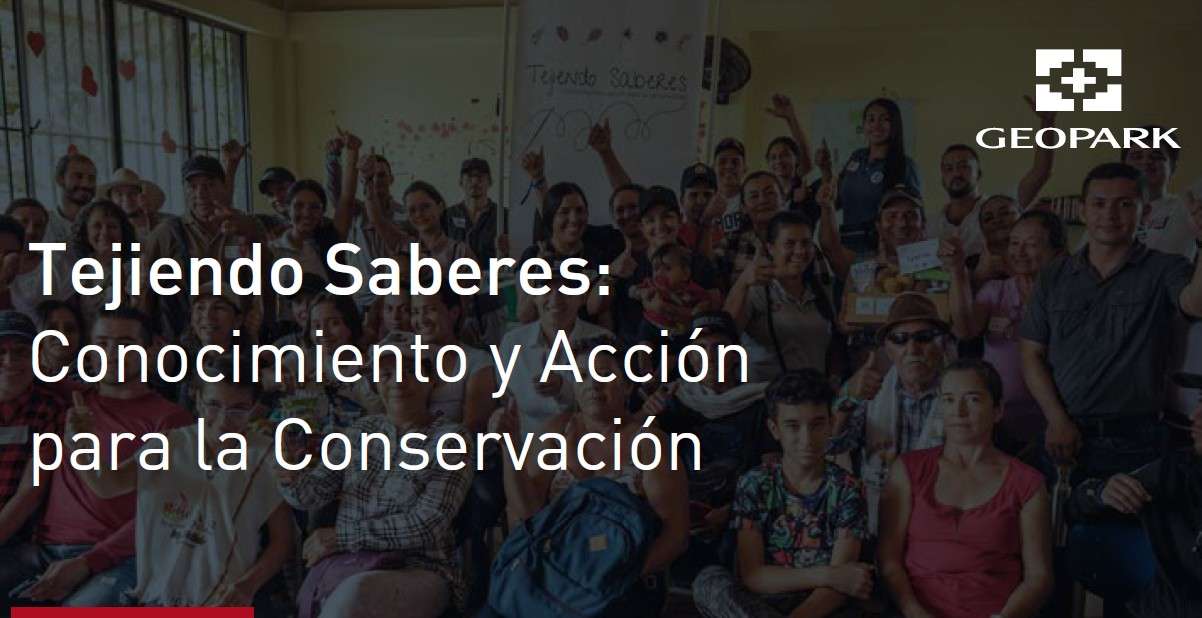
Weaving Knowledge: Knowledge and Action for Conservation
The Colombian Orinoquía, with almost a third of the country's biodiversity —23,487 species of fauna and flora—, is a strategic region for national sustainability. It houses the largest expanse of natural savannas in Colombia, as well as continental wetlands, montane forests, and transition zones towards the Amazon. Its water importance is critical: it contributes more than 30% of the country's water, concentrates 48% of the continental wetlands, and 41% of the underground water reserves. This diversity of ecosystems supports key ecological functions and provides essential ecosystem services, from climate regulation to the provision of water for human consumption, agriculture, and industry.
The region stands out for its aquatic and terrestrial biodiversity: 767 species of freshwater fish —one of the highest figures in the country—, 761 species of birds (38% of the national avifauna, with high potential for birdwatching), 254 species of mammals, and a wide representation of amphibians and reptiles that fulfill crucial roles in the food chains. Wetlands, morichales, and foothill ecosystems are axes of ecological connectivity and vital sources of ecosystem services, including water regulation. However, these ecosystems face increasing pressures: expansion of the agricultural and livestock frontier, deforestation, construction of illegal roads, illicit crops, informal mining, and the impacts of climate change. According to the Humboldt Institute, between 2001 and 2024, Casanare lost 107 thousand hectares of tree cover, generating more than 50 million tons of CO2e, and 96% of that recent loss occurred in natural forest. These transformations alter the water cycle and reduce resilience to droughts, floods, and fires.
In this context, ‘Weaving Knowledge’ has consolidated as a strategic initiative that began in November 2021, aimed at strengthening environmental education with communities in Casanare. Its implementation takes place in territories of high ecological sensitivity and with communities interested in working for the conservation of water and biodiversity.
The program is led by ABC Colombia Somos Territorio, a Casanare organization with more than 18 years of experience in environmental governance, and combines three fundamental axes: community strengthening, environmental education, and the implementation of pilot projects that promote local capacities. These actions allow for the protection of critical ecosystems, reduce pressures on water resources, and promote sustainable productive practices.
WEAVING KNOWLEDGE: WHEN LOCAL KNOWLEDGE IS A DRIVER OF CONSERVATION
’Weaving Knowledge’ aims to contribute to the conservation of biodiversity and water resources in Casanare, based on strengthening local knowledge and the participation of neighboring communities. The ultimate goal of the program is to strengthen community environmental governance. Its specific objectives include:
- Contributing to the achievement of SDGs 6, 13, and 15 from a local action with global impact.
- Contributing to the achievement of SDGs 6, 13, and 15 from a local action with global impact.
- Contributing to the achievement of SDGs 6, 13, and 15 from a local action with global impact.
- Contributing to the achievement of SDGs 6, 13, and 15 from a local action with global impact.
- Contributing to the achievement of SDGs 6, 13, and 15 from a local action with global impact.
The methodology is based on territorial pedagogy and collaborative construction, starting from active listening and the recognition of local knowledge. One noteworthy aspect is that the project is implemented with all groups: children, adolescents, and adults, ensuring that community participation is truly inclusive and representative. The strategy includes:
- Diagnosis participatory: identification of environmental issues, at-risk water sources, and local conservation practices through workshops, tours, and community mapping.
- Training y strengthening of capacities: development of training modules adapted to the local context, focused on environmental leadership, ecosystem conservation, water resource management, participatory monitoring, and formulation of environmental projects.
- Pilot projects: design and implementation of community conservation initiatives such as community nurseries, reforestation days, stream clean-ups, water monitoring, and adaptation of environmental infrastructure for water supply.
- 1. Institutional articulation: 2. coordination between municipal mayors and regional environmental authorities to scale up learnings and ensure sustainability.
3. WHAT WE HAVE ACHIEVED SO FAR
4. To date, the program has impacted 13 rural areas in the municipalities of Tauramena and Villanueva, where the GeoPark blocks are located in Casanare. Among the main achievements are:
- 5. The participation of more than 250 people, including community leaders, women, youth, teachers, public officials, and members of Community Action Boards.
- 6. The creation of a territorial network of environmental leadership with community representation in local environmental management spaces.
- 7. The participatory formulation of 13 community environmental conservation projects, which include strategies for micro-basin restoration, sustainable waste management, environmentally friendly agricultural practices, and school environmental education.
- 8. The implementation of nine formulated environmental projects.
- 9. The strengthening of dialogue between the company, authorities, and communities, which has allowed for greater trust and legitimacy in shared environmental management.
10. LESSONS THAT CHANGE THE WAY OF CONSERVING
11. Among 12. the 13. main 14. lessons 15. learned 16. are: 17. The importance of starting from the concerns, needs, and proposals of the communities to achieve ownership and sustainability.
- 18. The recognition of local knowledge as a technical and social input for environmental management, complementary to scientific knowledge.
- 19. The value of diversity: women, youth, and farmers provide complementary perspectives that enrich solutions and strengthen social fabric.
- The value of diversity: women, youth, farmers bring complementary perspectives that enrich solutions and strengthen the social fabric.
- The need to articulate efforts with the State, especially with environmental authorities, to ensure continuity, scalability, and institutional support.
- The possibility of integrating these actions into the Company's environmental management system.
TOWARDS A REPLICABLE PLATFORM IN MORE TERRITORIES
GeoPark has incorporated the ‘Weaving Knowledge’ approach into its territorial relationship model and projects it as an environmental action platform that can be replicated in other territories where it operates. To consolidate this commitment, the Company aims to:
- Support the implementation of projects formulated by communities, providing technical assistance and seeking partnerships with public and private entities.
- Systematize the learnings from the program and share them with other actors in the energy and environmental sector.
Strengthen the role of the environmental leadership network as a key actor in local governance of water and biodiversity.
- Promote the inclusion of these processes in municipal and departmental public policies related to climate change adaptation and watershed management.
‘Weaving Knowledge’ demonstrates that a company in the energy sector can be a ally for sustainability if it listens, learns, and acts with communities. This experience reinforces the value of of territorial processes of conservation built on respect, participation, and mutual knowledge. At GeoPark, we are convinced that the best way to care for nature is doing it hand in hand with those who inhabit, know, and defend their territory.
Sources:
Instituto Humboldt. (2025, March 18). Bio Report: present and future of biodiversity in the Colombian Orinoquia. Instituto Humboldt.
Corporinoquia. (2025, February 2). The Colombian Orinoquia has the largest extent of wetlands. Corporinoquia.
GBIF. (n.d.). Biotic characterization in the Casanare River basin. GBIF.
Government of Casanare / WWF. (n.d.). Biodiversity of the department of Casanare: strategic ecosystems. Government of Casanare – WWF Colombia.
 Colombian Association of Oil and Gas