
Investment in hydrocarbon exploration and production is key to energy security and fiscal sustainability in Colombia: Frank Pearl
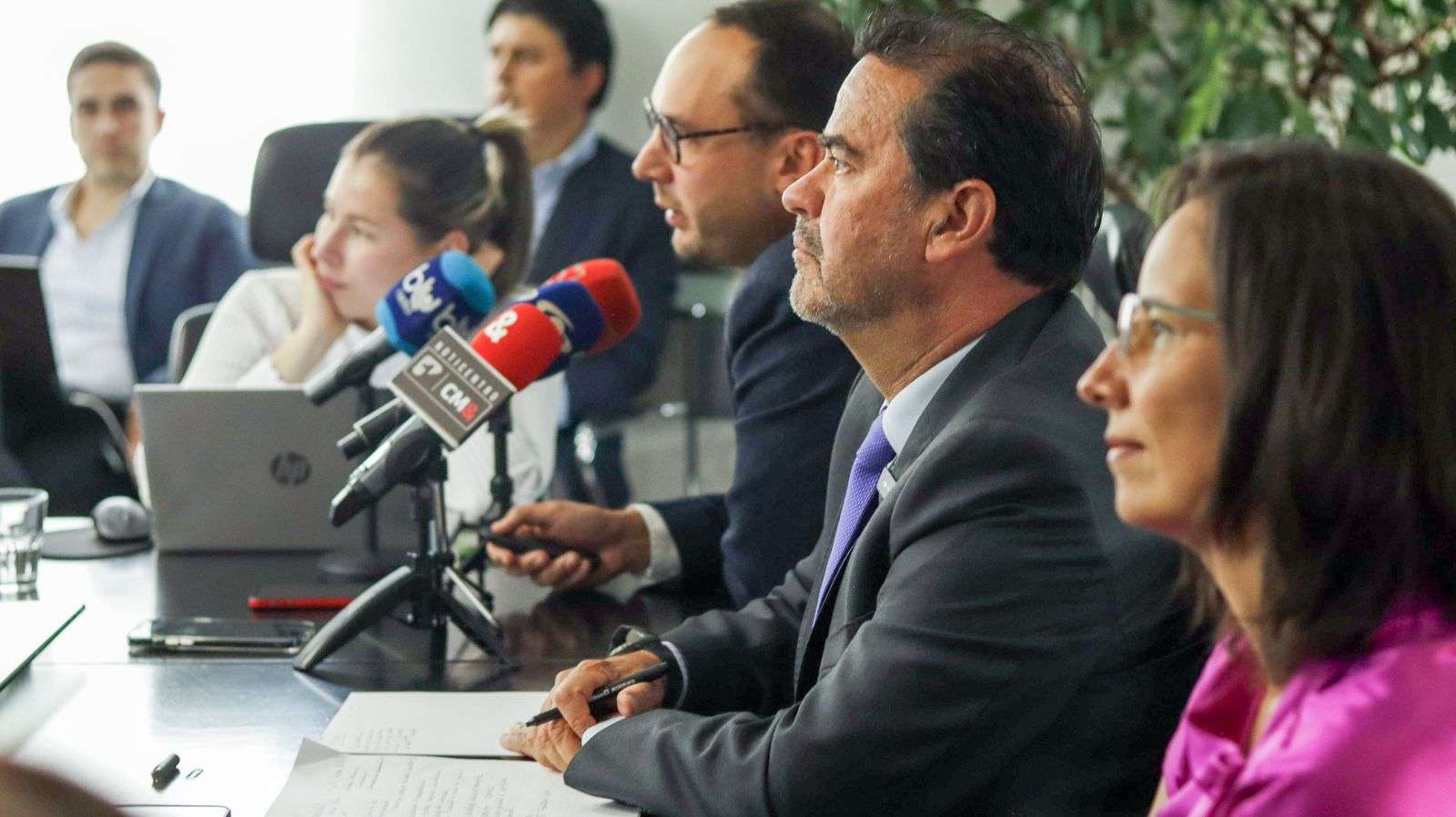
- The Guild presented economic report with an overview of investments in the sector and recommendations to ensure energy security and fiscal sustainability of the country in the medium and long term.
- For 2024, although a total investment in exploration and production of hydrocarbons of USD 4.6 billion is estimated, with the current pace it would not be reached.
- Contrary to the international trend, investments in Colombia have been declining. The report states that, without incentives for exploration, exploratory activity in the country would end in 2030.
Bogotá, August 1, 2024. For the tenth consecutive year, the Colombian Association of Oil and Gas (ACP) presented the economic report ‘Trends and Perspectives of the Oil and Gas Sector in Colombia’, an analysis of the industry's behavior that, in this edition, compiles historical figures, trends according to the budgets established for this year, and projections for the decade; as well as a global context, and recommendations for maintaining the energy and fiscal security of Colombia.
Investments in exploration and production
According to the report, in a context where the world has resumed investment momentum in the hydrocarbons industry to levels not seen since 2011, and in which Latin America is consolidating as a key player, Colombia has the potential to continue being self-sufficient in oil and gas, and thus continue generating economic, social, and environmental benefits to the regions. However, the projection of investments in the country, both in oil and gas, tends to decline, which coincides with the current state of its reserves.
In 2023, the country invested USD 1.05 billion in oil and gas exploration, 19% less than in 2022 (USD 1.29 billion), mainly due to delays in environmental procedures and operational difficulties related to blockades on operations and deteriorating security conditions in the regions. In production, USD 3.78 billion was invested, 5% higher than in 2022.
For 2024, a total investment in exploration and production of hydrocarbons of USD 4.6 billion is estimated, which represents a 5% drop compared to 2023. In exploration, USD 1.1 billion, and in production, USD 3.5 billion; however, to date, 11 of the 40 projected exploratory wells have been drilled, indicating that the investment target in exploration would not be met.
Regarding production, oil is estimated at an average of 780-790 kbpd, and gas, a production potential of 1,020 MPCD.
In terms of reserves, gas reserves have fallen by 58% in the last 12 years, and the lifespan of oil reserves is changing its trend, now downward. Thus, reserve levels are not sufficient to guarantee, in the medium and long term, the energy and fiscal sustainability of the country.
In light of this situation, Frank Pearl, executive president of the ACP, explained that, “the only way to sustainably increase hydrocarbon production is through exploration, which is reflected in the incorporation of new reserves: without exploration there are no reserves and without reserves there is no production. To achieve this, Colombia has companies that continue to bet on the country and its regions; and from the industry, we remain open to working hand in hand with the Government to ensure the energy security of Colombians.”.
In this sense, it is important to note that, of the 297 agreements and contracts signed with the ANH, as of June 2024, 90 are in the exploratory phase, to which it is estimated that 110 exploratory wells are pending execution between 2024 and 2030; thus, without new incentives for exploration, exploratory activity in the country would end in 2030.
Recommendations
To meet the national demand for oil and gas, mainly with local production taking advantage of the country's hydrocarbon potential, and to contribute to the fiscal sustainability of the nation, in a context of advancing towards the energy transition, the ACP recommends:
- New mechanisms to incentivize exploration and increase production: additional incentives to Agreement 6 of 2023, advance in the replacement of areas, define measures that dynamize production, among others.
- Review the transportation tariff for oil by pipelines.
- Ensure safety in operations, improve the viability of the environment, and optimize procedures (environmental, prior consultation, and archaeological).
- For gas and offshore projects: relax the commercial framework, ensure the development of transportation infrastructure, and update its tariff methodology. Prioritizing offshore projects is key.
- Maintain signals of fiscal and regulatory stability for a key industry in the energy transition.
- Support and promote the development of productive projects and economic diversification in the regions.
 Colombian Association of Oil and Gas