
Colombia has gas, but action must be taken now to ensure self-sufficiency and avoid deficit: President ACP
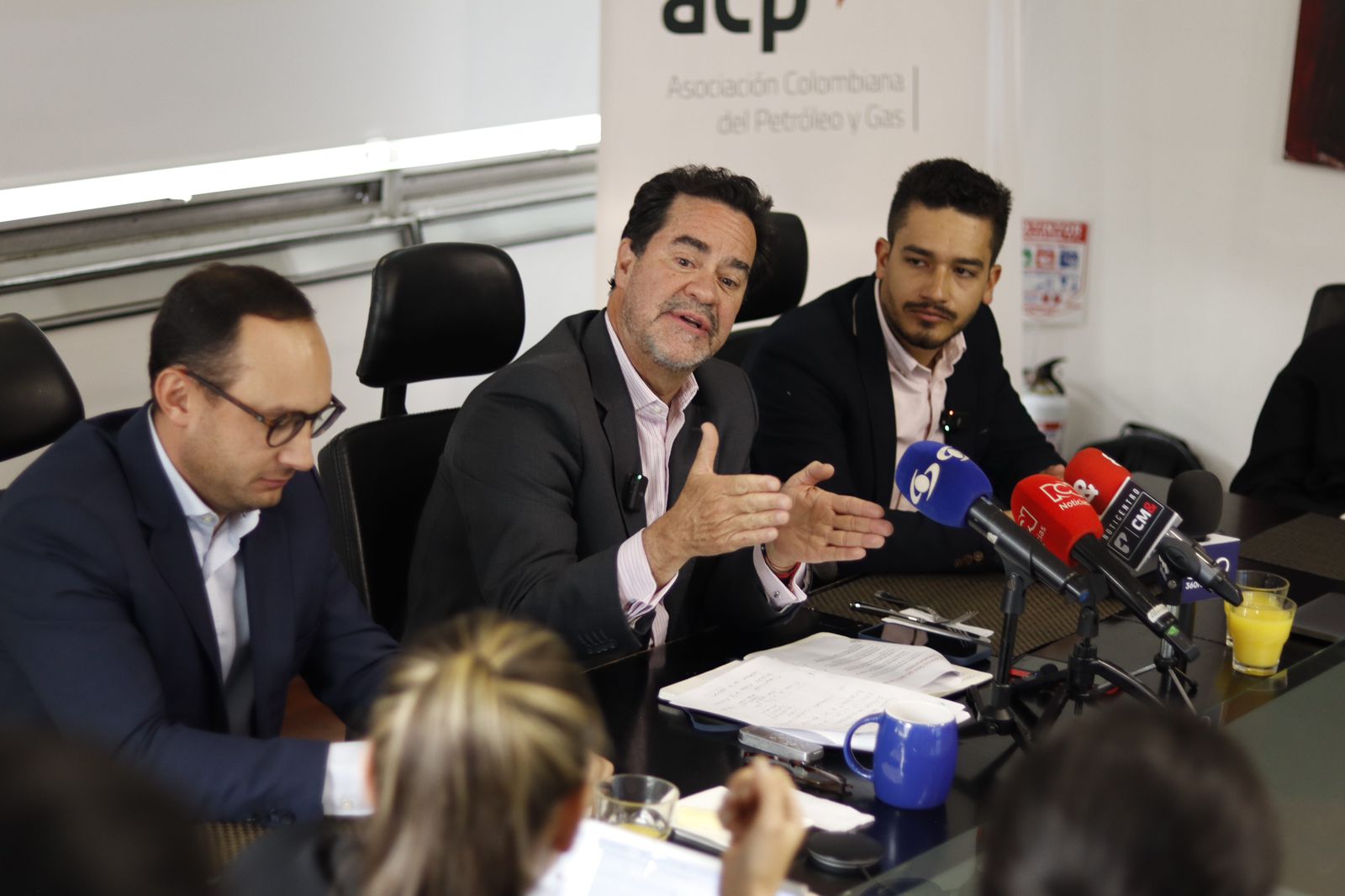
- The Guild identifies measures to incentivize supply, expand infrastructure, energize the market, and develop offshore resources.
- National gas is the basis for meeting the growing demand, improves the quality of life for Colombians, and guarantees reliability to key sectors for a just energy transition.
- 18 projects on land from private companies could make available to the market up to 250 million cubic feet per day of additional gas to ensure supply in the short to medium term.
- The development of offshore gas provinces is urgent and necessary for long-term gas sufficiency.
With the aim of providing the country with tools to ensure the attention to current and future natural gas demand, the Colombian Association of Petroleum and Gas (ACP) presented the economic report ‘Towards Gas Self-Sufficiency: Projects and Measures to Achieve It’, an analysis of the current market environment, the resources available in the national territory, and necessary regulatory measures for the timely development of gas-oriented projects that contribute to energy sufficiency and support the just energy transition.
The president of the ACP, Frank Pearl, emphasized that, “in a context of global energy transition, Colombia is at a crucial and strategic moment to promote the realization of its gas potential, which would not only strengthen its energy security but also continue to generate positive impacts on the economic, social, and environmental development of the country and the regions; since natural gas represents well-being for Colombians and supports various productive sectors.”.
The report highlights a critical perspective on supply, mainly due to the reduction of exploratory activity, low levels of reserve replacement, decline of large fields, and lack of infrastructure. In this scenario, exploration is a priority to replenish reserves and maintain sufficient production levels. To avoid the deficit, it is necessary to work collaboratively between the Government, communities, and industry with a view to developing these energy resources and supporting the transformations required by the country..
Additionally, five enabling pillars for self-sufficiency are identified: 1) incentivize supply and ensure availability, 2) develop necessary transportation infrastructure to optimize supply, 3) update and flexibilize market rules, 4) conceive gas as a core element for the energy, economic, and social planning of the country and regions, and 5) timely develop offshore resources.
Finally, among the main conclusions of the study, it is highlighted that 18 projects from private companies, located in the departments of Córdoba, Sucre, Magdalena, Atlántico, Cesar, Casanare, Arauca, and Guajira, could inject into the market, in the short to medium term, up to 250 million cubic feet per day of additional gas to ensure supply; and it is emphasized that offshore projects would not only supply the national market in the long term but could also generate surpluses for export.
 Colombian Association of Oil and Gas