
Contributions to decarbonization: Sustainability Facts of the oil and gas sector in Colombia.
The planet is in a critical situation due to climate change, whose repercussions could be irreversible for both nature and humanity. The global temperature is 1.1°C higher compared to the pre-industrial period, and if the trend continues, there is a probability of 24% of exceeding 1.5°C between 2020 and 20241. This is due to the increase in greenhouse gases (GHG), mainly caused by deforestation, extensive livestock farming, agriculture, land misuse, the decomposition of solid waste, and industrial activities. Climate change is a priority issue on the global agenda and in Colombia, aligned with the Sustainable Development Goals (SDGs).
Although Colombia represents between 0.4% and 0.6% of global GHG emissions (China 28%, United States 14.5%, European Union 8%, India 7%, Russia 4.6%), it is highly committed to the fight against climate change. It adhered to the United Nations Framework Convention on Climate Change (UNFCCC) and the purposes of the Paris Agreement at COP 21, and even made more ambitious commitments at COP 26 in Glasgow: to reduce 51% of its emissions by 2030 and achieve carbon neutrality by 2050.
In our country, the AFOLU sector (for its acronym in English; agriculture, forestry, and other land uses) represents 59%2 of all emissions in the country, and the energy sector 31% (of which 41% corresponds to the transport subsector and the hydrocarbons sector, considering its entire value chain, does not exceed 5%). Colombia's situation is particular, not only because it contributes little to GHG generation and has one of the cleanest electricity generation matrices, mainly hydraulic, but also because achieving emission reductions requires the commitment of all sectors, that is, going beyond the energy industry.
For its part, this sector, sharing the concern about the impacts of climate change, led by the Ministry of Mines and Energy, was the first productive sector to promote the creation of a Sectoral Action Plan focused on energy efficiency and the control of fugitive emissions, and developed the Comprehensive Climate Change Management Plan for the Mining and Energy Sector (PIGCCMe), which includes mitigation, adaptation, and governance actions.
The hydrocarbons industry in Colombia is clear about its role in the changes and challenges posed by decarbonization and has been investing in research and implementation of new technologies, process optimization, implementation of Non-Conventional Renewable Energy Sources (FNCER), operational efficiencies, control of fugitive emissions for gas reuse, self-generation of electricity, and the search for options in new energy sources that diversify portfolios.
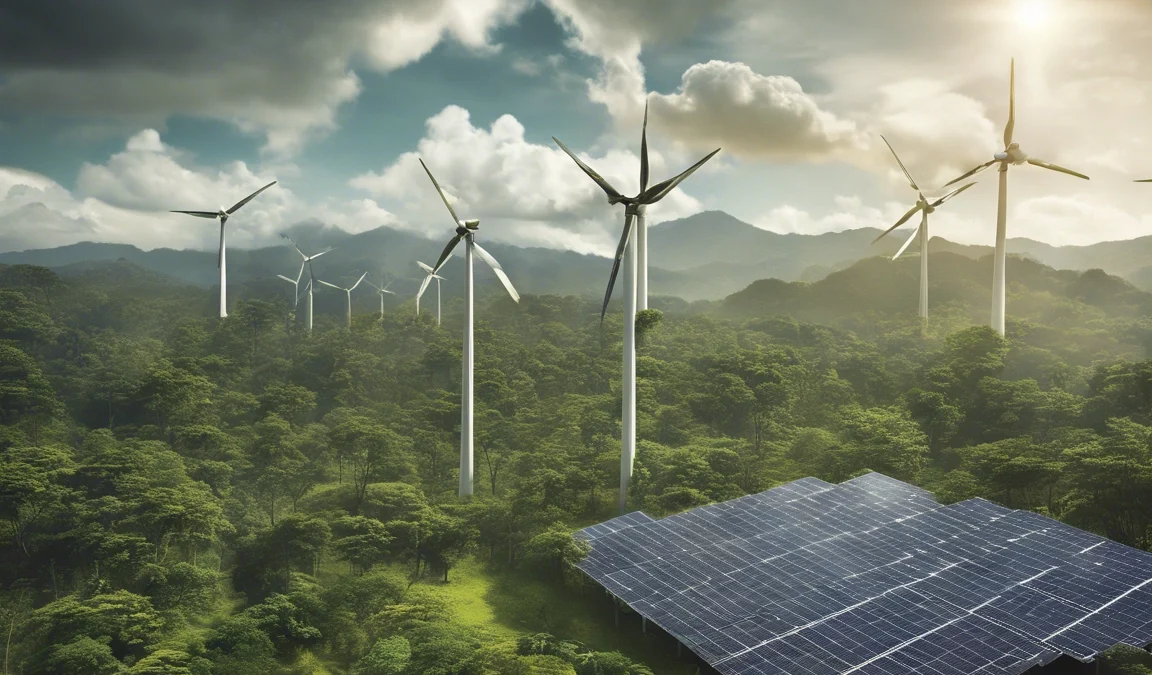
In the last five years, around 100 million dollars have been invested across the entire value chain, more than 90 projects have been executed aimed at reducing 11 million tons of CO2eq3 by 2030, some still in the pre-feasibility phase, others in feasibility, and others already in operation. Notable projects include self-generation with gas turbines, development of solar parks with installed capacities exceeding 400 MW, heat recovery through non-volcanic geothermal energy, interconnection networks of fields to the National Transmission System, replacement of diesel generators with gas, control of venting and fugitive emissions for gas capture and reuse, artificial lift systems with permanent magnet motors, and reductions of routine flaring.
In fuel distribution, the increase in blends with ultra-low emission fuel alcohol stands out, and the implementation of solar and wind generators at service stations and processing plants, among other actions that contribute to decarbonization.
In addition, the entire value chain of the industry contributes with nature-based solutions projects, framed in afforestation, reforestation, and restoration (ARR) and in reducing emissions from deforestation and forest degradation (REDD+), generating additionality for carbon capture with the planting of more than five million trees and protecting around 15 thousand hectares of sensitive ecosystems4; it also actively participates in the carbon market with the issuance and purchase of carbon credits, and has developed corporate roadmaps with measurable and auditable commitments, reports, and disclosure of goals within the framework of the Taskforce on Nature-related Financial Disclosures (TNFD), among many examples of initiatives that the sector has been implementing.
To advance projects and progress at a good pace, the integration between the areas of companies (operational, environmental, social, corporate, financial, and managerial) and joint work with the State to encourage the investments required, the development of public policies and regulations that allow the operation of the sector to be compatible with the implementation of new initiatives in the fight against climate change and the common understanding that this industry has the capacity and commitment to contribute to transformations and manage the challenges posed by the energy transition has been fundamental.
Henry A. Martínez C.
Environmental and Operations Director
Colombian Association of Oil and Gas (ACP)
 Colombian Association of Oil and Gas