
Oil must serve to eradicate poverty, that must be the obsession
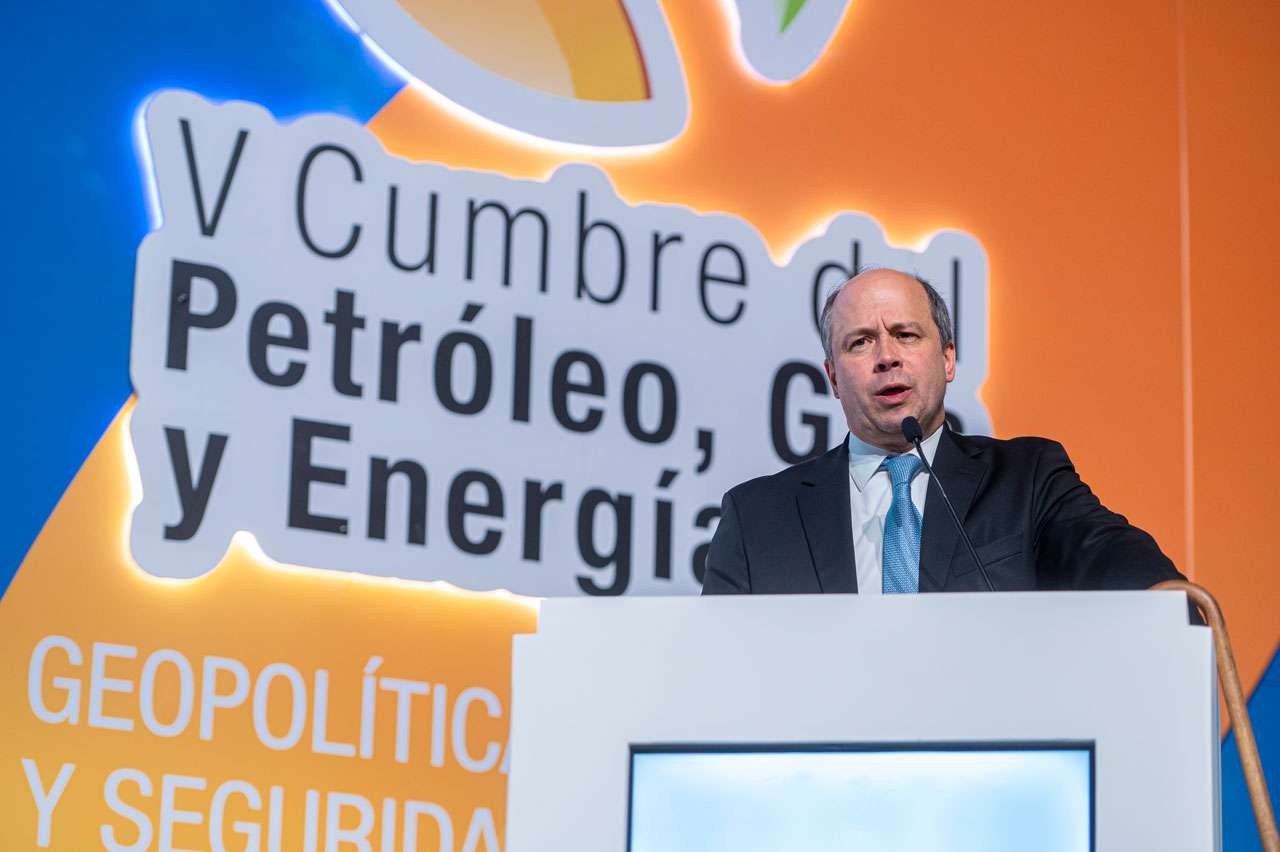
In the context of the closing of the V Summit on Oil, Gas, and Energy, the president of the Colombian Association of Oil and Gas, Francisco José Lloreda Mera, on behalf of the organizing guilds, urged to continue working for the industry so that oil becomes a source of resources that contribute to eradicating poverty in Colombia, and reiterated the industry's commitment to this goal.
- The organizing unions of the Summit called for advancing towards a comprehensive energy transition without sacrificing the economic and social development of the country and invited the Government to work together.
- The president of Ecopetrol, Felipe Bayón, highlighted gas as the backbone of the energy transition and the gas potential of northern Colombian Caribbean.
- The president of Congress, Roy Barreras, invited the sector to lead the transition and work together.
The president of the union called on companies in the sector to “continue believing and investing in Colombia to keep contributing to the development of the country as it has for more than 100 years, with a special emphasis on overcoming poverty. The fiscal contributions, royalties, and dividends from the industry must focus on that goal; we are in tune with the national Government, oil to eradicate poverty, that must be the obsession,” he assured.
The union leader indicated that in the oil and gas industry we will always be open to dialogue and insisted on the importance of making a responsible transition. “Colombia can advance in a comprehensive transition agenda and develop other energy sources while strengthening its oil and gas industry. A responsible energy transition, aligned with a diversification of exports that must be considered from a productive transformation in which the economy grows; and a fiscal policy that eventually allows substituting the resources that the industry contributes to the country, without sacrificing energy security and sovereignty, nor renouncing to export oil and gas, and the right of millions of Colombians to live better,” Lloreda Mera stated.
In this regard, the President of the union called for not hitting the sector and indicated that as important as not stopping the exploratory dynamics of the country is executing the existing exploration and production contracts, for which he highlighted the political will and coordination with the Ministry of Mines and Energy and the National Hydrocarbons Agency to optimize and advance the suspended contracts; as well as with the National Planning Department with which a promising work agenda is being developed.
The president of the Congress of the Republic, Roy Barreras, also participated in the closing of the Summit. In his speech, the Senator reiterated the importance of working together with the industry, and its importance in the transition, as he pointed out, “without oil and without gas there is no transition.”.
“Transitions imply understanding that we must change progressively. We are building a homeland and making a democratic transition that sets institutional challenges in favor of Colombia. Climate change is inevitable and the human species can disappear; we are not going to sit and wait, we must lead the transition, which must be done in 15 years and not in 15 days,” emphasized the president of Congress.
For his part, the president of Ecopetrol, Felipe Bayón, highlighted the role of natural gas and indicated that “gas is the backbone of the energy transition and we have it in Colombia. The gas potential of northern Colombian Caribbean would allow replacing all current gas reserves of the country.”.
During the day, climate change, the sector's strategy, and the country's challenges were also discussed, with the participation of national and international speakers, such as Michael Shellenberger, founder and president of Environmental Progress, and Brian Sullivan, executive director of IPIECA; the Minister in charge of Environment, Sandra Vilardy, among others, who raised the need to unite efforts among different actors to face this challenge.
During the four days of the event, which had the participation of more than 3,500 people in its different spaces, union leaders, sector entrepreneurs, experts, academics, and representatives of the national Government agreed on the need to advance a joint work agenda that allows contributing to climate change management, ensuring energy security, eradicating poverty, and advancing the achievement of the Sustainable Development Goals, SDGs.
 Colombian Association of Oil and Gas